Vacuum Insulated Glass (VIG)
Vacuum Insulated Glass (VIG) is a next-generation deep-processed glass product developed based on the insulation principle of a vacuum flask (thermos bottle).
- ✦ Energy Efficient & Environmentally Friendly
- ✦ Excellent Thermal Insulation & Heat Retention
- ✦ Superior Acoustic Insulation & Noise Reduction
- ✦ Versatile Applications
Optimized Solutions
On-site structural evaluation and custom designs optimizing cost & aesthetics.
Clear Transparency
Providing full CAD shop drawings, aluminum profiles, glass specifications.
Professional Crew
Elite installers, advanced tools, fast deployment, strict quality control.
Vacuum Insulated Glass (VIG) is a next-generation high-performance glazing product developed based on the vacuum flask (thermos) insulation principle.
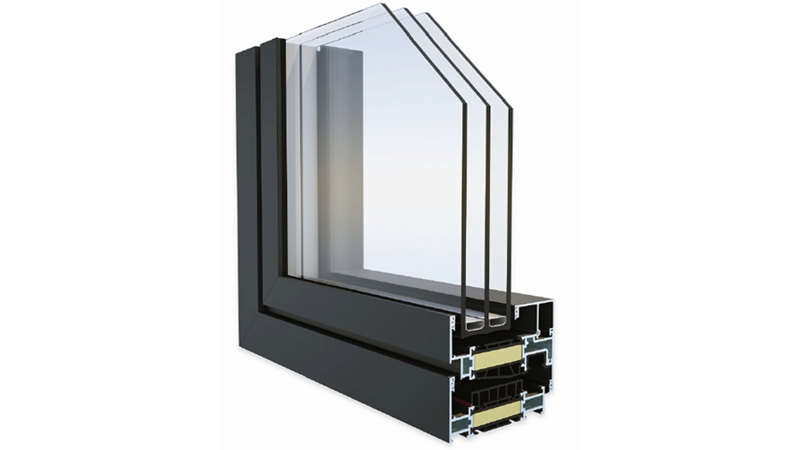
Its construction is similar to that of Insulating Glass Units (IGUs), with the key difference being that the cavity between the glass panes is evacuated to a near-perfect vacuum, rather than being filled with air or inert gas.
Vacuum insulated glass is manufactured by hermetically sealing two flat glass panes around the perimeter, evacuating the cavity between them to create a high vacuum, and permanently sealing the evacuation port to maintain the vacuum throughout the product's service life.
The gap between the two glass panes is typically only 0.1–0.2 mm. In most configurations, at least one pane is coated with a Low-Emissivity (Low-E) coating, which significantly minimizes heat transfer through conduction, convection, and thermal radiation. This operating principle is similar to the thermal insulation mechanism of a vacuum flask, providing exceptional thermal performance while maintaining excellent transparency.
Vacuum Insulated Glass represents the integration of multiple advanced technologies, including glass processing, materials science, vacuum engineering, physical measurement technology, industrial automation, and building science. The result is a high-performance glazing solution that delivers outstanding thermal insulation, acoustic performance, energy efficiency, and long-term durability for modern architectural applications.