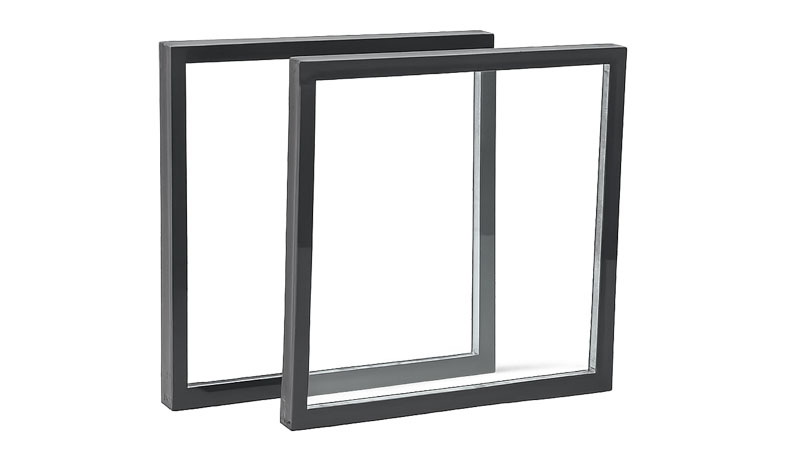
Low-E Energy-Efficient Glass
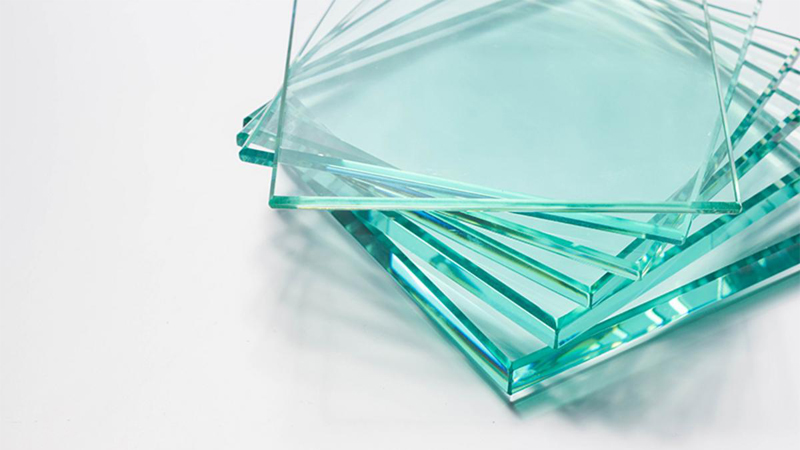
Double-Sided Low-E Energy-Efficient Glass, also known as Low-Emissivity (Low-E) Glass, is a type of glass coated with multiple layers of metallic or specialized compounds on both the interior and exterior surfaces.
- ✦ High Visible Light Transmittance: Maximizes natural daylight while creating bright, transparent, and spacious interior environments.
- ✦ High Solar Energy Transmittance: Allows a significant amount of solar heat radiation to pass through the glass.
- ✦ Exceptional Mid- and Far-Infrared Reflection: Delivers superior thermal insulation with a low U-value.
Optimized Solutions
On-site structural evaluation and custom designs optimizing cost & aesthetics.
Clear Transparency
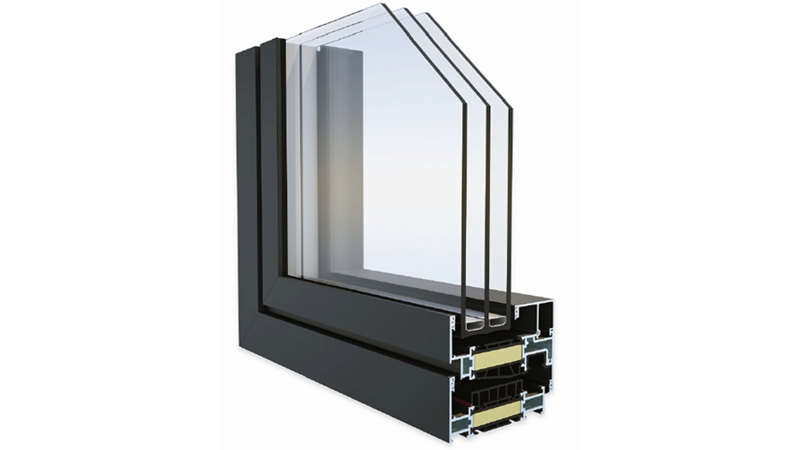
Providing full CAD shop drawings, aluminum profiles, glass specifications.
Professional Crew
Elite installers, advanced tools, fast deployment, strict quality control.
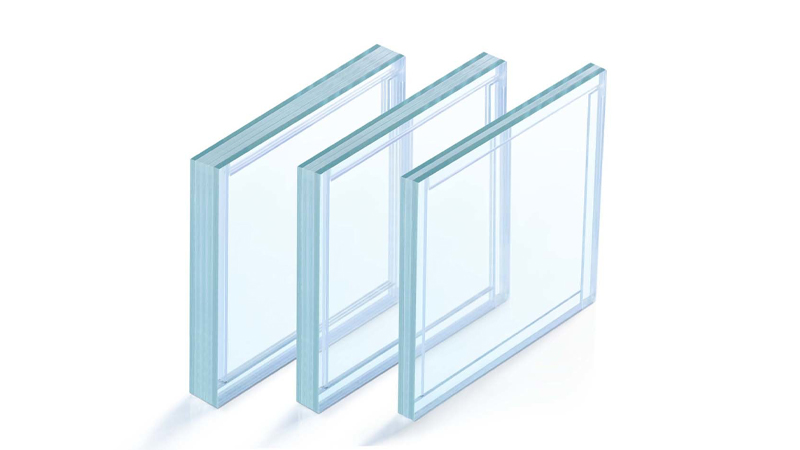
Double-Sided Low-E Energy-Efficient Glass—also known as Low-Emissivity (Low-E) Glass—is a high-performance architectural glass coated with multiple ultra-thin layers of metallic and specialized compounds on both glass surfaces.
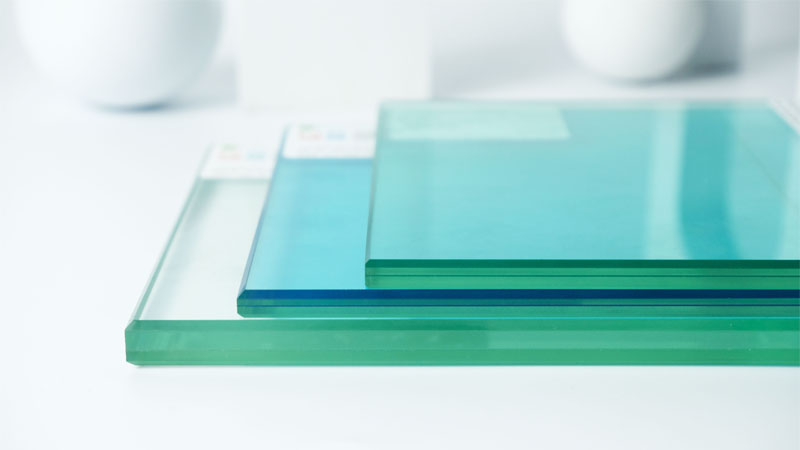
These advanced coatings allow high visible light transmittance while providing excellent reflection of medium- and long-wave infrared (IR) radiation. As a result, Low-E glass delivers outstanding thermal insulation performance, significantly outperforming conventional clear glass and traditional coated glass, while maintaining exceptional optical clarity and transparency.
Glass has become one of the most important materials in modern architecture. As architectural design continues to demand higher aesthetic standards, the use of glass in residential, commercial, and industrial buildings has become increasingly widespread. Today, however, selecting architectural glass is no longer based solely on appearance. Building owners, architects, and developers also prioritize energy efficiency, indoor thermal comfort, reduced cooling costs, and an optimal balance of natural daylight.
For these reasons, Low-E glass has emerged as one of the most preferred glazing solutions in modern construction, offering an ideal combination of energy efficiency, comfort, aesthetics, and sustainable building performance.