Types of Tempered Glass – Understanding the Different Types of Tempered Glass Available Today
Today, tempered glass comes in a wide variety of types and is widely used in countless architectural and construction applications. It is easy to find tempered glass incorporated into almost every type of modern building.
However, many homeowners are still unsure about the different types of tempered glass available on the market and how to choose the right one for their specific needs.
Tempered glass is used in a broad range of products, including:
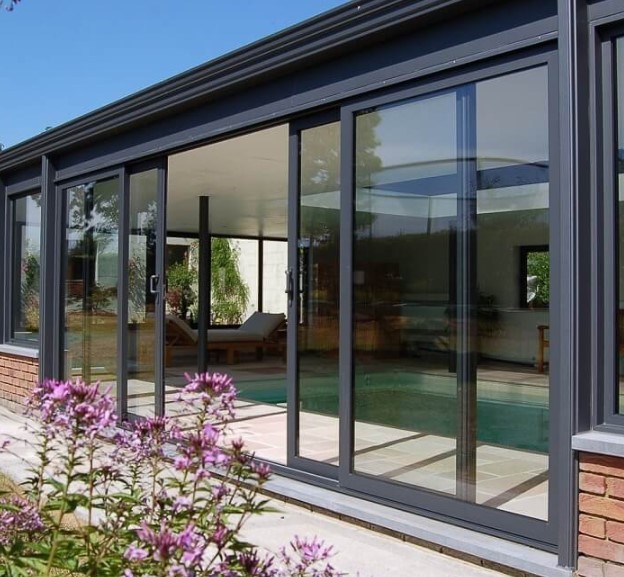
- Sliding glass doors and hydraulic glass doors: These doors offer excellent durability, natural transparency, and a sleek appearance that enhances the aesthetics of any space. They can also be installed with aluminum frames for added strength and a more refined finish.
- Glass curtain walls and partitions: Tempered glass can be used to create curtain walls, frosted glass partitions, decorative film-covered glass, colored glass, and other customized designs.
- Glass shower enclosures: Easy to clean and maintain, tempered glass is an ideal material for shower rooms and bathroom enclosures.
- Building façades: High-rise buildings frequently use tempered glass façades to achieve a modern, elegant, and professional appearance.
- Decorative glass applications: Tempered glass is commonly used for decorative wall panels, kitchen backsplashes, wall cladding, and other interior design features that create a brighter and more luxurious living space.
It is fair to say that tempered glass has become a revolutionary material in modern interior and architectural design. Its versatility, durability, and aesthetic appeal make it an essential choice for contemporary residential and commercial construction.
Standard Tempered Glass
Standard tempered glass is the most commonly used type of tempered glass today.
It is available in a variety of thicknesses, including:
- 3 mm
- 5 mm
- 6 mm
- 8 mm
- 10 mm
- 12 mm
Depending on the application, the appropriate thickness is selected to ensure both safety and structural performance.
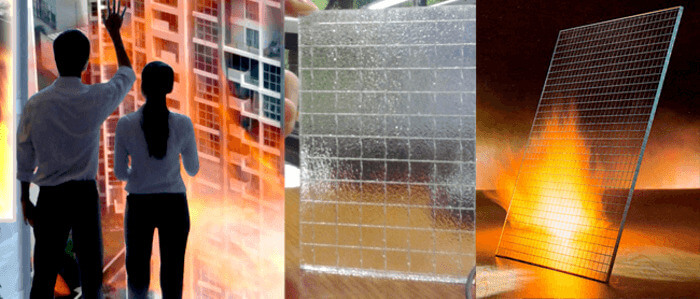
Fire-Rated Tempered Glass
Fire-rated glass is available in different fire-resistance classifications, typically rated for 60 minutes, 90 minutes, or longer, depending on project requirements.
The most common classifications include:
- E-rated fire-resistant glass
- EW-rated fire-resistant glass
- EI-rated fire-resistant glass
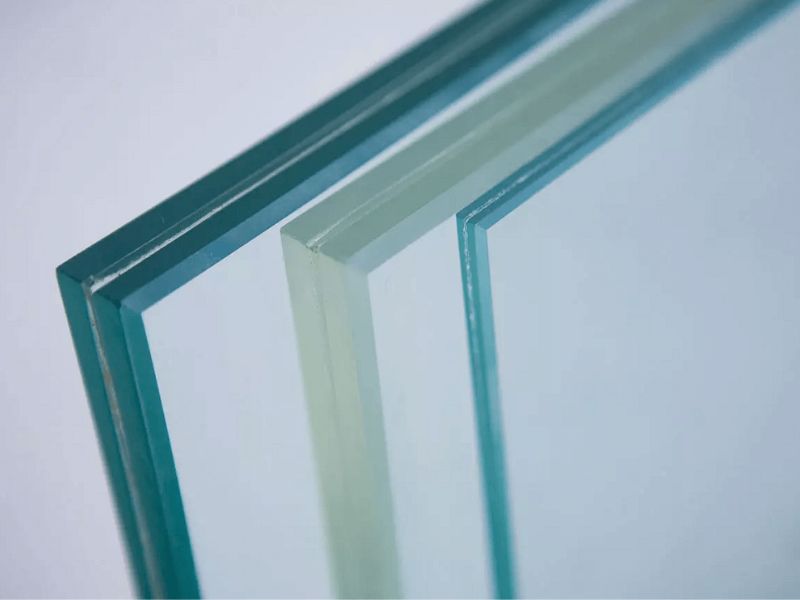
This type of glass generally consists of two layers of glass bonded together with a special heat-resistant interlayer.
Fire-rated glass helps slow the spread of flames, smoke, and radiant heat during a fire, providing valuable evacuation time while reducing the risk of injury and minimizing property damage. As a result, it is widely used in commercial buildings, public facilities, hospitals, schools, and residential projects where enhanced fire protection is required.
Laminated Safety Glass
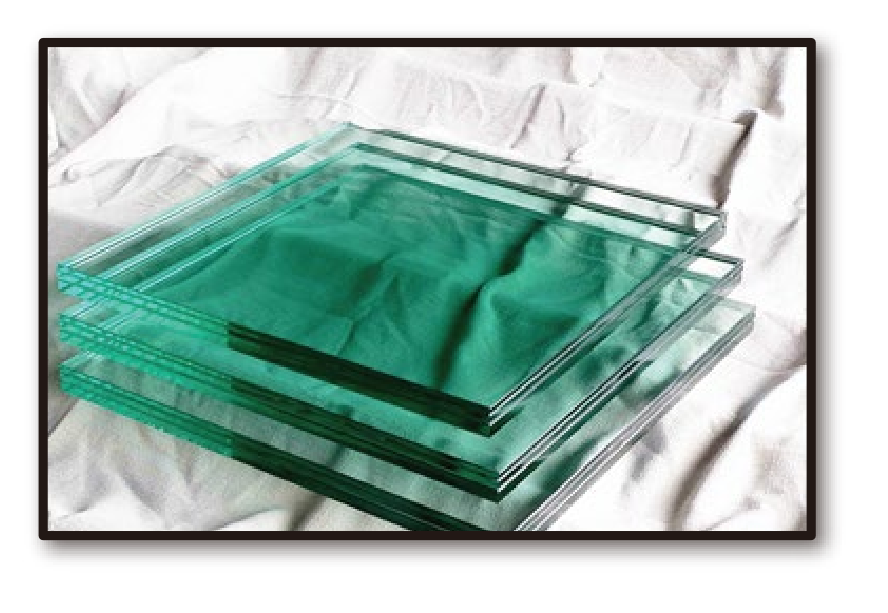
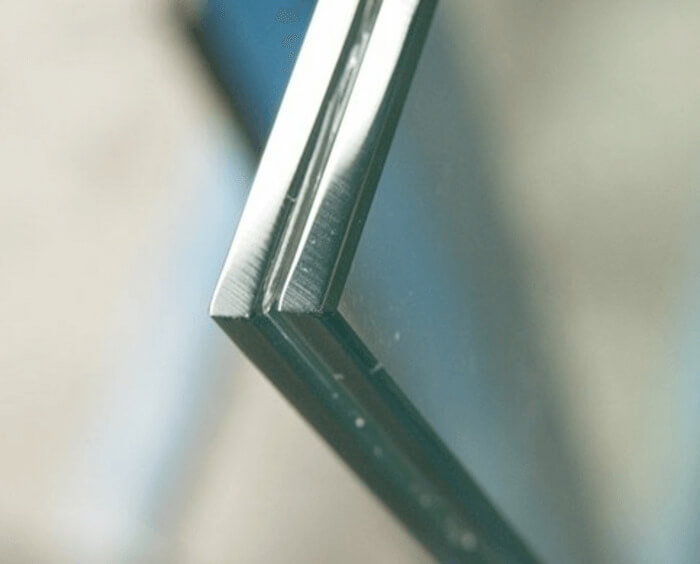
Laminated safety glass is one of the most widely used types of safety glazing in today's construction industry. It offers excellent impact resistance, with a strength approximately four to five times greater than that of ordinary glass of the same thickness.
Unlike conventional glass, laminated safety glass is designed to remain intact even when broken. In the event of a strong impact, the glass may crack, but the fragments adhere to the PVB (Polyvinyl Butyral) or other specialized interlayer, preventing dangerous sharp shards from scattering.
This significantly reduces the risk of injury and makes laminated safety glass an ideal choice for applications where occupant safety is a priority, such as doors, windows, façades, skylights, railings, and other architectural glazing systems.
Insulated Glass (Insulating Glass Unit – IGU)
Insulated glass, also known as an Insulating Glass Unit (IGU), is a specially engineered glazing product consisting of two or more panes of glass separated by a sealed air space filled with inert gas (such as argon) or a vacuum.
This construction significantly improves thermal insulation, sound insulation, and energy efficiency, making insulated glass an ideal choice for residential, commercial, and high-rise buildings.
Low-E Glass (Low-Emissivity Glass)
Low-E (Low-Emissivity) glass is a premium energy-efficient glazing product coated with multiple ultra-thin metallic layers, the most important of which is a microscopic silver (Ag) coating.
This advanced coating reflects heat while allowing abundant natural daylight to pass through. It also blocks up to 99% of harmful ultraviolet (UV) rays, helping protect interior furnishings from fading.
Compared with conventional heat-reflective glass, Low-E glass offers superior thermal performance by reducing solar heat gain without compromising visible light transmission. As a result, indoor spaces remain bright, comfortable, and energy-efficient throughout the year.
Advantages of Tempered Glass
Excellent Strength and Thermal Resistance
Tempered glass is manufactured through a controlled heat-treatment process, in which the glass is heated to a high temperature and then rapidly cooled. This process makes it approximately four to five times stronger than ordinary glass of the same thickness.
It can withstand impact, sudden temperature changes, and strong wind loads, making it an ideal material for high-rise buildings and other demanding architectural applications.
Outstanding Durability
Tempered glass offers exceptional long-term durability and can maintain its performance for decades with proper installation and maintenance. Its lifespan is comparable to that of many traditional building materials.
Enhanced Safety
One of the greatest advantages of tempered glass is its safety performance.
If broken by an impact beyond its design strength, the glass shatters into small, blunt-edged granules rather than sharp, dangerous shards. This greatly reduces the risk of serious injury, making tempered glass an excellent choice for residential and commercial applications.
Easy Maintenance
The smooth, non-porous surface of tempered glass is easy to clean and maintain, requiring minimal effort to remove dust, stains, and fingerprints.
In addition, tempered glass contributes to a quieter and more comfortable indoor environment thanks to its excellent acoustic insulation when incorporated into appropriate glazing systems.
Tempered Glass Manufacturing Process
Because tempered glass requires high precision and strict quality control, every stage of the manufacturing process must be carried out according to established technical standards.
Skilled technicians and advanced production equipment are essential to ensure consistent product quality and safety.
The manufacturing process typically includes the following steps:
- Glass Cutting
- Edge Grinding and Polishing
- Drilling and Fabrication
- Quality Inspection and Glass Washing
- Heat Tempering (Thermal Toughening)
To achieve a high-quality finished product, manufacturers must combine experienced craftsmanship with modern machinery and advanced tempering technology. This ensures that the tempered glass meets the required standards for strength, safety, durability, and optical quality.